Craving more space or a bigger yard but unsure how a longer drive might affect your day? In Parker, the right move-up home balances commute routes, neighborhood amenities, and lot size to fit your routine. In this guide, you’ll map real drive times, compare neighborhood types, and match floor plans and yard sizes to how you live. Let’s dive in.
How your commute shapes your home choice
Parker is primarily car oriented. Most residents use Parker Road (Colorado 83), E‑470, and I‑25 to reach the Denver Tech Center, downtown Denver, and other metro hubs. Local arterials like Mainstreet, Hess, and Centennial also factor into peak-hour congestion.
Morning and evening rush hours add time on Parker Road and the I‑25 corridor. E‑470 can make drive times more predictable, though you will trade toll costs for consistency. If you travel to Denver International Airport, E‑470 often provides the most direct regional access.
Here are common commute profiles to consider:
- To the Denver Tech Center: Many drivers choose Parker Road north to I‑225 or I‑25. Others take E‑470 for a more predictable route with tolls.
- To downtown Denver: Options include Parker Road to I‑225 or Douglas County connectors to I‑25. Expect added time in peak hours.
- To DIA: E‑470 is the typical route for speed and predictability, with tolls; alternative surface routes add variability.
Build your personal commute checklist:
- Primary route and backup route during peak hours
- Toll exposure if you use E‑470 (estimate monthly cost before committing)
- Predictable congestion points near your home and workplace
- Parking availability and timing at your destination
Pro tip: Time the full route during your real commute window. Midday estimates can understate true peak conditions. If you work hybrid, you may value a larger yard and privacy since you drive less often.
Neighborhood amenities you will use
Parker offers a range of neighborhood types that trade walkability, amenities, and yard size in different ways. Think about your weekly routine for groceries, school runs, trails, and sports, then match that to the right setting.
Town core and downtown-adjacent
- What you get: Higher walkability to restaurants, parks, and services; short errand times.
- What you trade: Smaller lots or attached housing; more activity and some street noise.
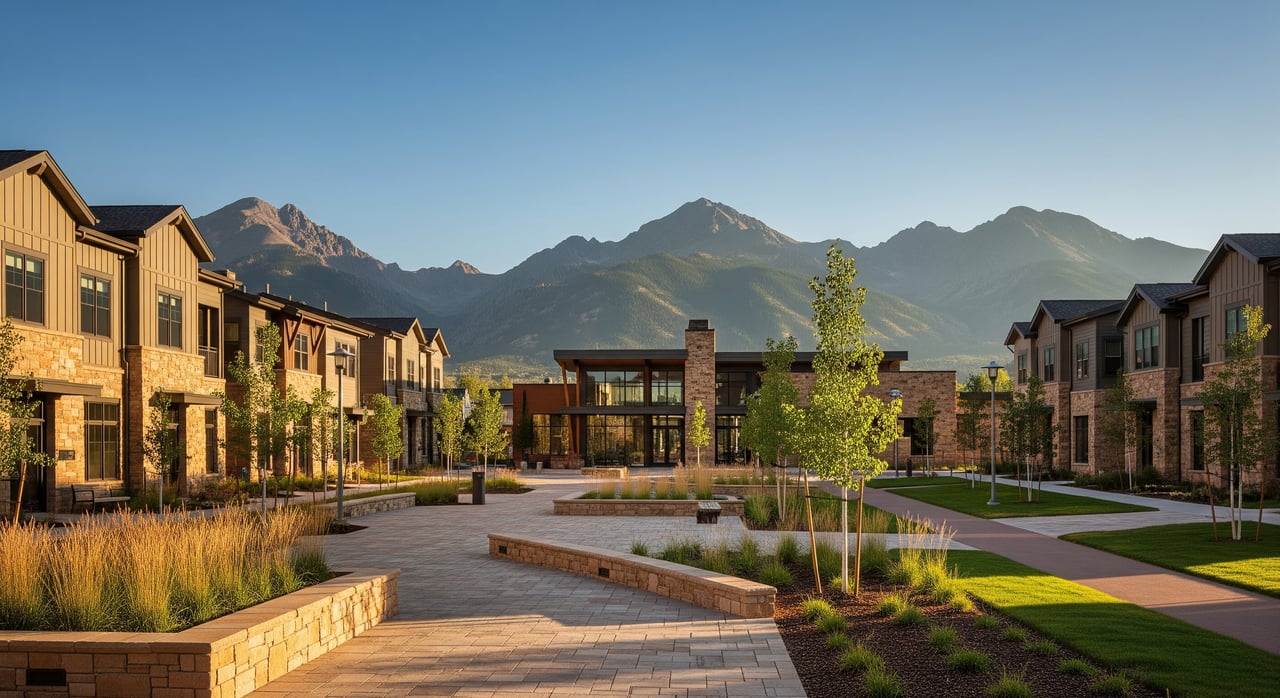
Master-planned communities
- What you get: Predictable amenities like pools, trails, and community centers; newer construction styles.
- What you trade: Smaller to mid-size lots and HOA rules that may limit exterior changes and parking for RVs or boats.
Established single-family and rural outskirts
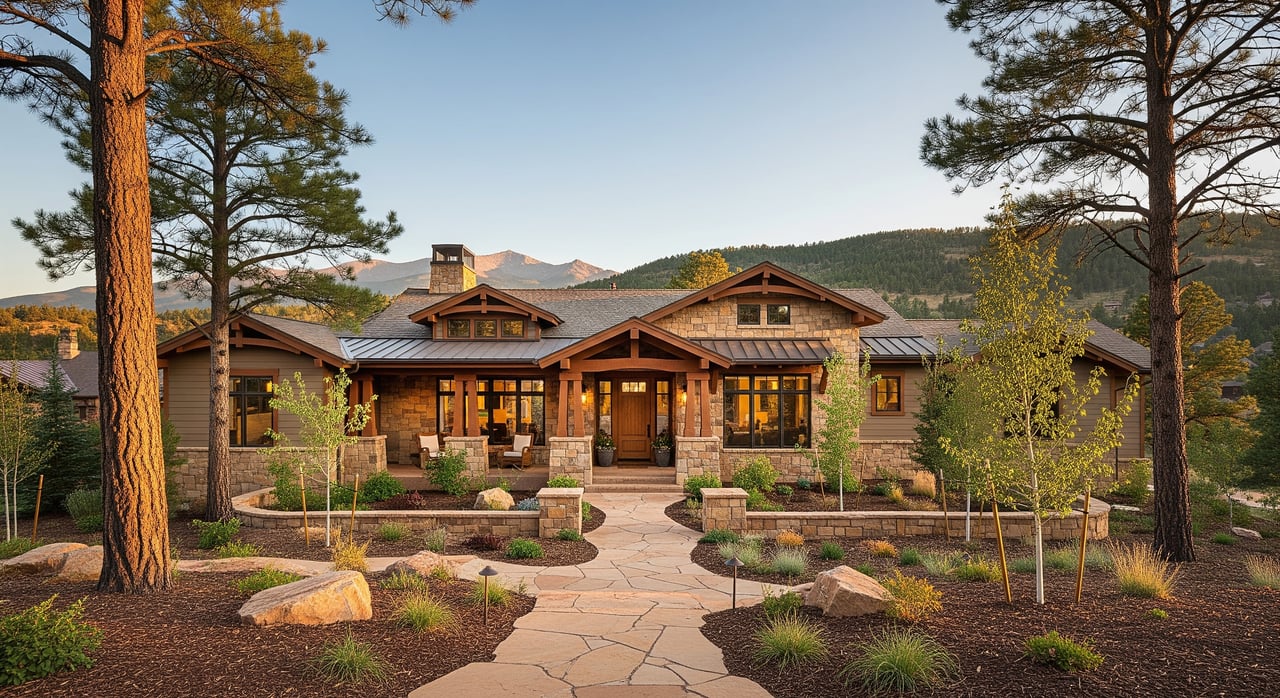
- What you get: Larger lots, mature landscaping, and more privacy; potential space for a shop or extra parking where allowed.
- What you trade: Longer commutes and less walkable services; some areas may have well or septic depending on zoning.
Schools in the Douglas County School District are a draw for many families. Proximity to specific schools can influence pricing and demand. Always confirm current school boundaries directly with the district before making decisions.
Lot size and yard tradeoffs in Parker
Lot size drives how you use your outdoor space and how much time you spend maintaining it.
- Small suburban lots: About 3,000 to 7,000 sq ft. Lower maintenance and ideal if you prioritize walkability and quick errands.
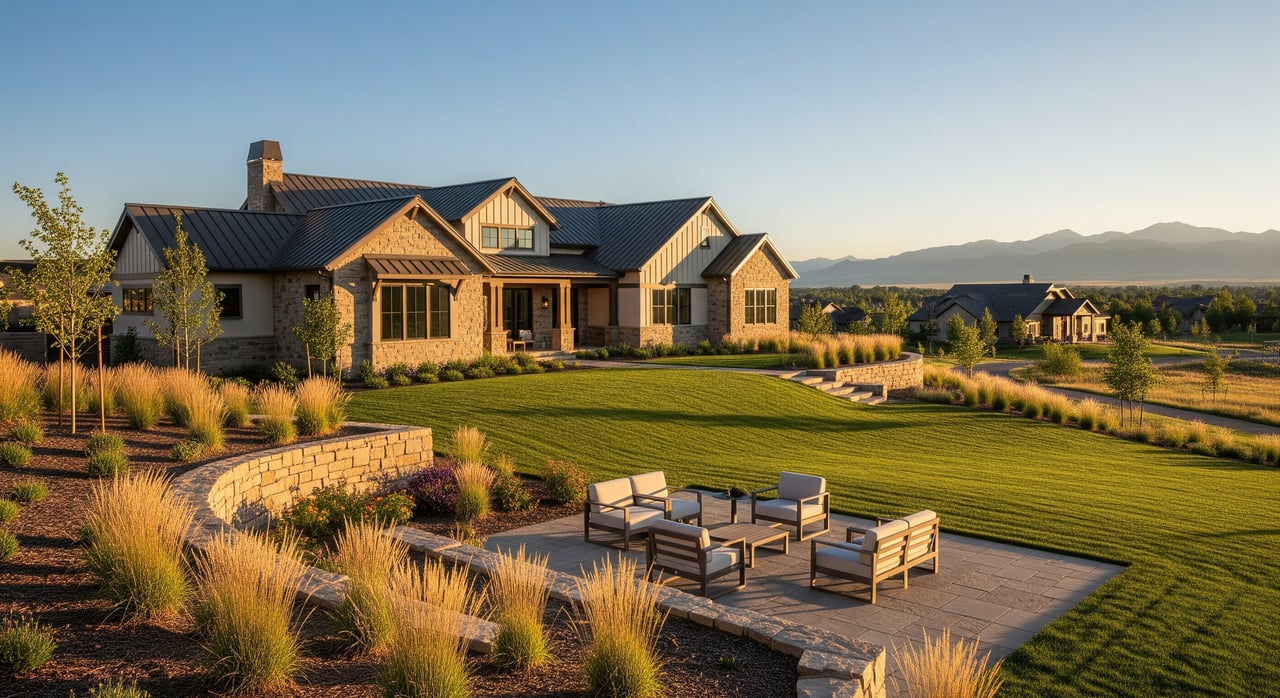
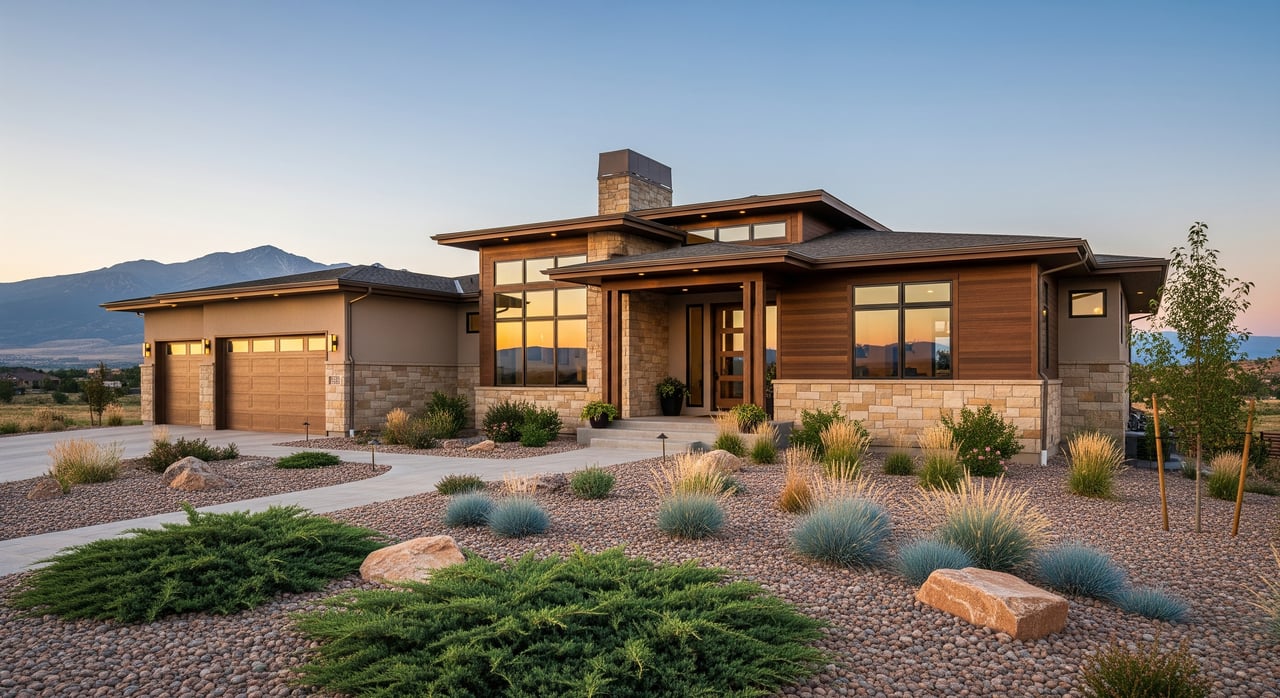
- Mid-sized suburban lots: About 7,000 to 20,000 sq ft (roughly 0.16 to 0.45 acres). Popular with move-up buyers who want a usable yard for play, a patio, or a small garden.
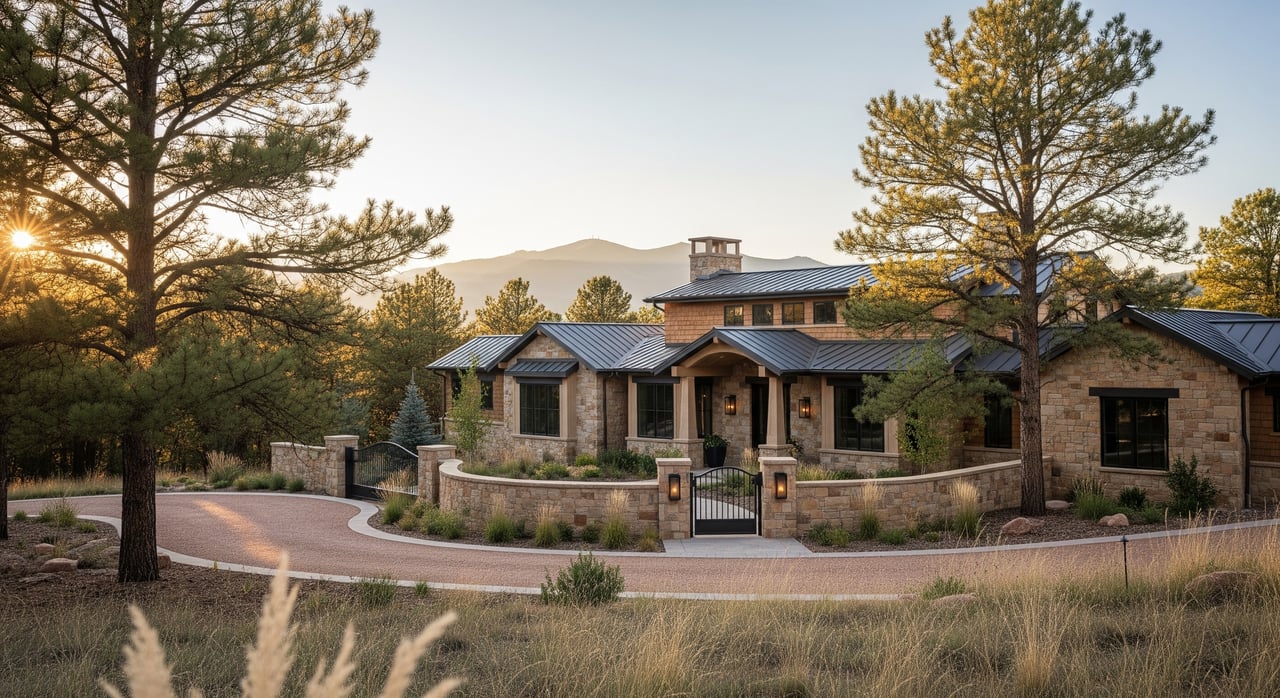
- Large lots and semi-rural: About 0.5 to 1+ acres. Room for privacy, RV parking, or a detached shop where allowed by zoning and HOA.
Match your yard goals to a lot category:
- Play area, patio, garden: Often fits a mid-sized lot around 7,000 to 12,000 sq ft if the lot shape is favorable.
- Pool and larger entertaining space: Works best starting around a quarter acre or more; verify local rules for pools and fencing.
- RV or boat parking, detached shop: Look for deeper lots or acreage and check zoning, setbacks, and HOA guidelines for accessory buildings.
Plan for maintenance and costs:
- Lawn care scales with lot size; larger yards often require professional services.
- Colorado’s semi‑arid climate rewards xeriscaping to reduce irrigation and upkeep.
- Longer driveways increase snow removal time and costs.
- HOA communities typically handle common areas, not private-yard maintenance.
Before you assume add-ons are permitted, verify zoning, setbacks, lot coverage, and HOA restrictions for sheds, ADUs, shops, and fences.
Floor plans that fit a Parker lifestyle
The right floor plan supports your daily rhythm, from school mornings to hybrid work.
- Two‑story family home (about 2,400 to 3,500+ sq ft): Often has a main-floor great room, kitchen, informal dining, and a main-floor office or bedroom. Upstairs you’ll see a primary suite, two to three bedrooms, and laundry. Pairs well with a mid-sized lot.
- Ranch with daylight basement (about 2,000 to 3,000+ sq ft): Ideal if you want single‑level living with extra space for guests, hobbies, or a media area downstairs. Works nicely on sloped lots and mid to large lots.
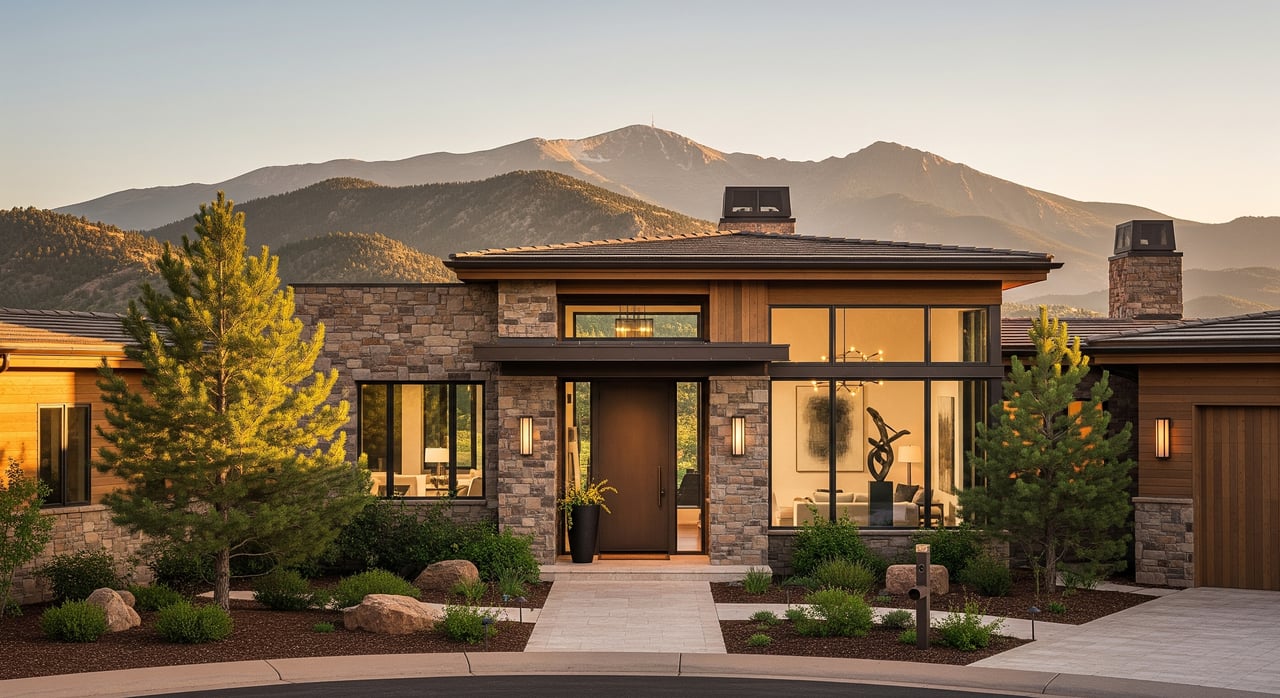
- Main‑floor primary suite plans: A good long‑term choice if you want fewer stairs. You’ll find these on small to mid-sized lots.
- Multi‑gen or flex layouts: Look for secondary suites or flexible spaces. Larger lots help with access and privacy. Confirm local rules before planning a second kitchen or separate unit.
Interior features to prioritize:
- Mudroom with direct garage access for kid gear, backpacks, and sports storage
- Dedicated office or Zoom room for hybrid workers
- 3‑car garage or workshop bay if you need storage for toys or tools
Outdoor features to value:
- Covered decks and porches for year‑round use in Colorado’s climate
- Built‑in irrigation or thoughtful xeriscaping to match your maintenance goals
- Sun exposure for raised garden beds or future fruit trees
A simple decision framework
Use this step‑by‑step flow to translate your needs into a clear search brief.
Step 1: Map your day
- Time your commute routes during your actual peak windows.
- List non‑work trips like school, daycare, groceries, and gym with weekly frequency.
Step 2: Rank your priorities
Score each 1 to 5 so tradeoffs are clear:
- Commute time predictability and toll exposure
- Lot size and outdoor program (pool, garden, RV, shop)
- Home layout must‑haves (bedroom count, office, main‑floor primary)
- Neighborhood amenities (trails, parks, retail)
- Maintenance tolerance and HOA flexibility
Step 3: Translate priorities into specs
- Commute tolerance: What one‑way time feels acceptable most days?
- Lot target: Small (≤ 7,000 sq ft), mid (7,000 to 20,000 sq ft), or large (≥ 0.5 acre)
- Home size: For example, 2,200 to 2,800 sq ft vs 3,000 to 4,500 sq ft, based on family size and storage needs
- Must‑have amenities: Trail access, nearby retail, or specific HOA features
Step 4: Verify constraints and costs
- Confirm zoning, setbacks, lot coverage, and HOA rules for sheds, ADUs, and shops.
- Estimate landscape and snow removal costs for your target lot size.
- If using E‑470, estimate monthly tolls alongside gas and parking.
Step 5: Build a tour plan around your routine
- Start with a peak-hour drive‑along for your primary and backup commute routes.
- Compare neighborhoods back‑to‑back to make tradeoffs tangible.
- Include one stress‑test property to pressure‑check your tolerance for road activity or yard maintenance.
Sample tour day in Parker
- Stop 1: Downtown‑adjacent 2,200 sq ft home. Walk to coffee, gauge traffic and parking, and assess a smaller backyard.
- Stop 2: Master‑planned 3,200 sq ft two‑story on a mid lot. Review HOA amenities, trail access, and a short school run.
- Stop 3: Outlying 0.75‑acre property. Measure driveway length, evaluate garage or shop potential, and note the commute impact and ongoing yard care.
Ready to explore your Parker options?
If you want more space without guesswork, we’ll help you map your commute, shortlist the right neighborhoods, and tour homes that fit your yard, layout, and amenity goals. Reach out to The Front Range Real Estate Company to start a custom Parker move‑up plan.
FAQs
How should I compare Parker commute options to DTC or downtown?
- Test your main and backup routes during peak hours, note E‑470’s toll tradeoff for more predictable times, and factor in workplace parking.
What Parker lot size fits a play yard and garden without heavy upkeep?
- A mid‑sized suburban lot around 7,000 to 12,000 sq ft often supports a lawn, patio, and small garden with manageable maintenance.
Can I add an RV pad or build a detached shop in Parker?
- Check the property’s zoning, setbacks, lot coverage, and HOA rules first; larger lots or county properties are more permissive than small in‑town lots.
Are HOAs common in Parker master‑planned communities?
- Yes. They often provide pools, trails, and community centers but may limit exterior changes, fencing, and parking for RVs or boats.
Will a larger Parker lot increase my monthly costs?
- Usually. Expect higher landscape, irrigation, and snow removal costs, plus possible well or septic considerations on some rural parcels.
Which sells faster in Parker, walkable small‑lot homes or larger lots?
- Both have buyer pools. Walkable locations appeal to time‑pressed buyers; large lots attract buyers who need space. Market conditions and inventory shape timing.