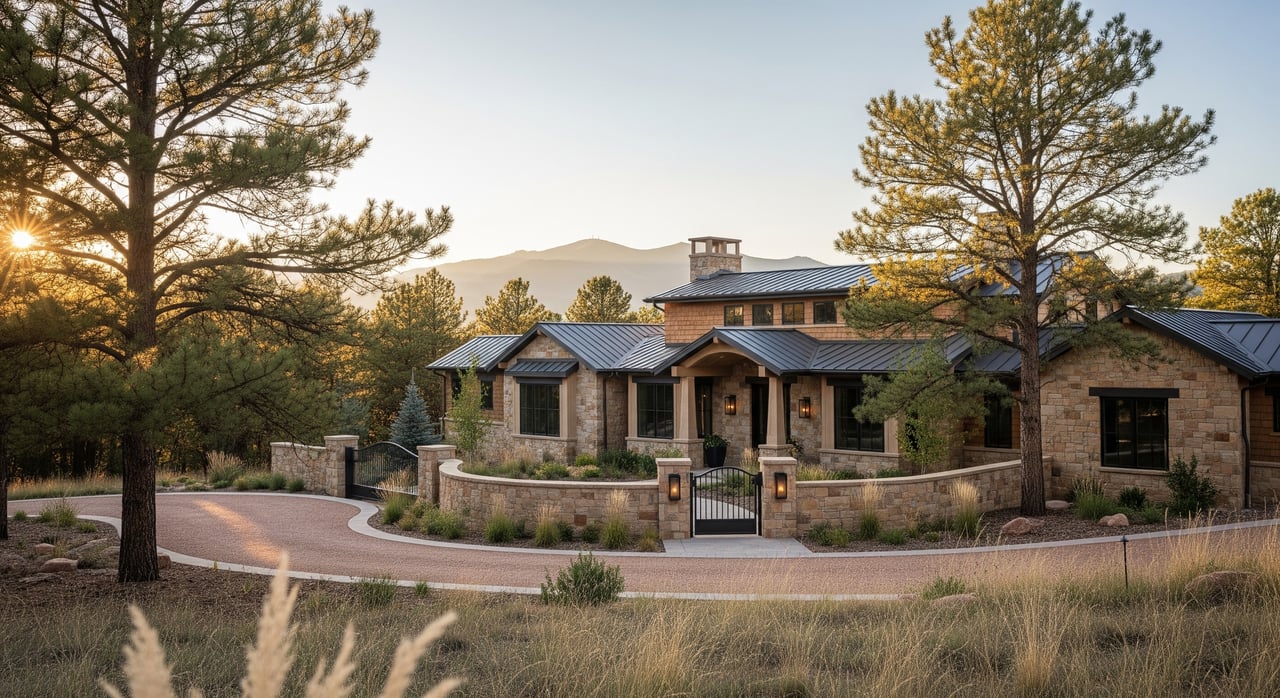
Post-Occupancy Agreements in Woodmoor: A Simple Guide
December 18, 2025
December 18, 2025
What happens when your closing date and move-out date do not line up? If you are buying or selling in Woodmoor, a short post-occupancy, also called a rent-back, can bridge the gap. You want a smooth handoff, clear terms, and no surprises. This guide shows you how post-occupancy agreements work in Colorado, what to include, and how to protect yourself in Woodmoor. Let’s dive in.
A post-occupancy agreement is a written contract that lets a seller (or buyer) stay in the home for a short time after closing. Title transfers to the buyer at closing; the right to stay is contractual, not ownership.
In Colorado, these agreements are enforceable under contract law when properly documented. Because possession after closing can look like a landlord-tenant situation, a written agreement is essential. Without one, a former owner who remains could be treated as a trespasser; with one, they are typically treated as an occupant or tenant with certain procedural protections if removal becomes necessary.
There is no single statewide statute that covers post-occupancy on its own. Terms and enforcement usually come from general contract rules and Colorado landlord-tenant procedures. Lender policies, insurance requirements, and HOA rules may also apply.
Woodmoor and Monument often see regional moves, military transfers, and timing issues between closings. A short, clearly defined stay can help you line up moving trucks, coordinate school timing, or wait on final PCS orders.
Seasonal weather also matters. Winter snow can slow movers and access, so spell out who handles snow removal and how delays are managed. Woodmoor has an active HOA, the Woodmoor Improvement Association. Make sure your agreement respects any CC&Rs, guest parking rules, and short-term occupancy policies.
If you are buying with a loan, confirm your lender’s post-closing occupancy rules before you offer. Some lenders allow short rent-backs with notice. Others may require written approval or limit the number of days.
Name the owner (buyer) and the occupant (seller). Include the property’s legal description, the closing date, and the exact start and end of the occupancy period. State when possession transfers.
Decide if the stay is free or paid. If paid, set the rate (daily, weekly, or monthly), how you calculate it, and due dates. If free, cap the free days and state what happens if the occupant overstays.
Hold a security deposit to cover damage, unpaid rent, cleaning, and keys. Attach a condition checklist and require joint pre- and post-occupancy walkthroughs with dated photos. Set a clear timeline for the deposit accounting and any refund.
The buyer should have homeowner’s insurance effective at closing. The occupant should maintain liability coverage during the stay and provide proof. Clarify who handles casualty events, like fire or storm damage, and how any insurance proceeds and repairs are managed.
Assign who pays for utilities, internet, landscaping, and snow removal. Spell out responsibility for routine and emergency repairs. Note who handles any HOA assessments that arise during the occupancy.
Give the owner reasonable access for inspections or repairs with a defined notice period. If the home may be shown again, include notice and access terms.
List all keys, garage remotes, and codes. Explain how and when they are surrendered and how locks or codes may be changed after move-out.
Define an overstay, nonpayment, or damage as a default. State remedies such as accelerated rent, late fees, deposit deductions, and eviction. Note that eviction must follow Colorado landlord-tenant procedures and can take time.
Confirm that the buyer’s lender allows the agreed occupancy and record any required notifications. Title transfers at closing; reference the occupancy agreement in your closing file.
Require full compliance with Woodmoor Improvement Association rules. Call out any parking, short-term occupancy, or guest policies that affect the stay.
Describe how either party may end the agreement, how defaults are cured, and what happens if the home becomes uninhabitable.
Examples you might see in Woodmoor:
Discuss your plan with your lender early. Some loans limit seller occupancy after closing. Title records the transfer at closing, so the buyer owns the property while the occupant stays by agreement. Title insurance does not cover damage caused during occupancy, so rely on your homeowner’s policy, the occupant’s liability coverage, and the security deposit. Clarify who handles repairs if the home is damaged during the stay or becomes uninhabitable.
A well-written post-occupancy agreement can make your Woodmoor move calmer and cleaner for both sides. You set clear expectations, protect your financing and coverage, and keep relationships positive. If you are weighing a rent-back or want help drafting the right terms for your situation, our local team is ready to guide you from offer to keys to move-out.
Schedule your free consultation with The Front Range Real Estate Company.
January 1, 2026

December 25, 2025
December 18, 2025
December 4, 2025
November 27, 2025
November 21, 2025

November 14, 2025

Rachel Ford-Wilkinson | November 6, 2025
Where to eat in Colorado Springs, Colorado
November 6, 2025
We pride ourselves in providing personalized solutions that bring our clients closer to their dream properties and enhance their long-term wealth. Contact us today to find out how we can be of assistance to you!