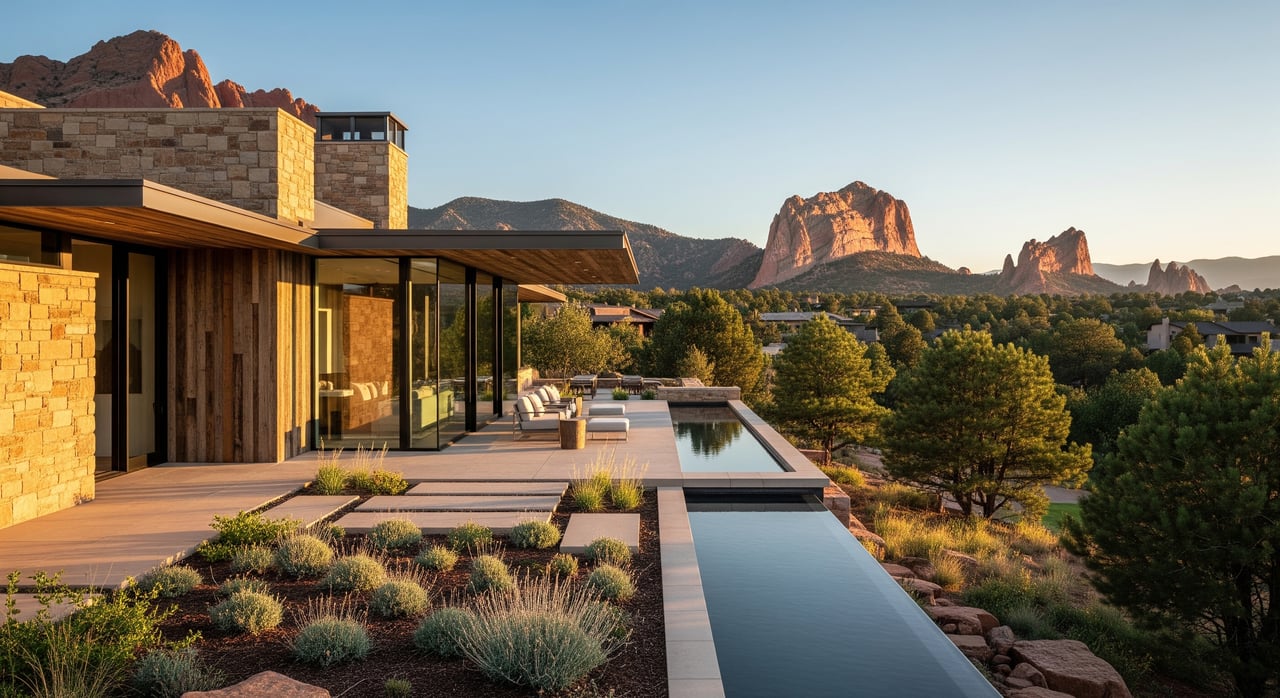
Everyday Life In The Garden Of The Gods Neighborhood
February 12, 2026
February 12, 2026
What if your morning coffee came with front-row views of sandstone spires and a five-minute stroll to world-class trails? Living by Garden of the Gods gives you rare daily access to Colorado Springs’ most iconic landscape, along with a few practical tradeoffs that come with a beloved city park. If you’re weighing a move here, you want a clear picture of the rhythms of everyday life, from traffic and trail use to housing styles and upkeep. This guide walks you through what it really feels like to call this neighborhood home. Let’s dive in.
Homes near Garden of the Gods line the north and west edges of the city-managed park. Many streets are a short walk to trailheads or the Visitor & Nature Center, and some properties capture direct sightlines to the red rock formations. Because the park is managed by the City of Colorado Springs, nearby properties interface with city planning, park rules, and any recorded easements that safeguard views or sensitive areas.
Expect seasonal and weekend peaks in visitor traffic, especially from spring through fall and around holidays. That activity shapes day-to-day routines in subtle ways, from the best times to run errands to when you head out for a sunset walk.
Proximity to downtown Colorado Springs is a key advantage. Outside of peak tourist periods, many drives downtown are typically under 15 minutes. Commutes to regional employers can range from about 15 to 40 minutes or more depending on destination and traffic patterns.
Public transit operates in parts of the city, though most residents rely on personal vehicles for daily trips. Direct public transit into the park is limited, so plan on driving, biking, or walking to trailheads if you live nearby.
Garden of the Gods is a high-traffic attraction. Parking lots near main entrances can fill early on busy days, which sometimes leads to overflow parking on adjacent residential streets. If you live closest to the park, you may notice more visitor vehicles and pedestrian activity during peak hours. Many residents plan errands and recreational outings earlier in the morning or later in the evening to avoid congestion.
You have a spectrum of options, from paved, accessible paths in the central garden to unpaved hiking loops and designated cycling routes. Many locals use the park daily for walking, running, dog-walking, and photography. If climbing is your thing, there are designated areas where it is allowed with proper adherence to park rules.
The Visitor & Nature Center is a helpful hub. You can pick up maps, browse exhibits, and learn about guided walks and volunteer opportunities. New residents often use the center’s programs to learn the park’s quieter hours and seasonal patterns.
Park rules are city-enforced. Expect no camping, leash requirements for dogs, and specific restrictions on climbing in sensitive areas. Temporary closures can occur for wildlife protection, such as nesting raptors, or for maintenance. Planning flexible routines helps you enjoy the park while respecting conservation efforts.
The neighborhood blends quiet residential streets with busier corridors like Garden of the Gods Road. Sidewalk coverage and street lighting vary by block. Some pockets are highly walkable to the park and nearby services, while others are more car-oriented.
Noise and activity levels shift with proximity to park entrances and major roads. Homes set back on interior streets tend to be quieter. As in other parts of the city, standard precautions are sensible, including awareness of wildlife and tourist-related parking behavior.
You’ll see a diverse mix, from modest mid-century and ranch-style homes to custom luxury builds and larger parcels designed to frame red rock views. Lots often include slopes, rock outcroppings, and pockets of mature vegetation. Many properties were designed to embrace the landscape rather than alter it.
Proximity to Garden of the Gods, view quality, lot size, and home condition all influence value. Homes closest to trail access or with dramatic sightlines often command a premium compared with the broader Colorado Springs market. Because market dynamics change, it is best to review current local data before making price decisions.
Some homes lie within HOAs that guide architecture, landscaping, or parking. Others do not. Certain parcels may have conservation easements or recorded sightline protections, which can limit alterations that affect views or sensitive areas. If you plan to build or remodel, expect to work with City of Colorado Springs planning and permits, especially on lots adjacent to park land.
Sloped lots are common. That can mean specialized drainage planning, potential retaining walls, and ongoing attention to erosion control. A geotechnical or drainage inspection is often a smart step during due diligence.
Expect some fine sandstone dust and consider drought-tolerant, native plant choices. Xeriscaping is common, and regional water-use considerations may guide your landscaping approach. Many homeowners design low-maintenance outdoor spaces that blend with the natural terrain.
Parts of the Pikes Peak region carry wildfire risk. Maintaining defensible space, using ember-resistant features where appropriate, and following local fire department guidance are practical stewardship steps. Proactive planning gives you peace of mind and can support insurance discussions.
If your home sits near a popular access point, you may occasionally see visitor parking or increased foot traffic. Homeowners often mitigate with thoughtful fencing, privacy landscaping, and driveway planning. Many learn to time their own park visits to quiet hours for an easy daily routine.
You’ll find restaurants, cafes, and visitor-facing shops clustered around the park’s main access roads. For broader grocery, retail, and services, most residents take short drives to nearby shopping centers or downtown.
Public school assignments depend on your exact address, so verify zoning with the appropriate district before you buy. Healthcare facilities and hospitals are accessible within the city. Police and fire services cover the neighborhood, and local departments provide guidance on wildfire mitigation.
Use this quick list to streamline your search and due diligence:
Living here gives you everyday access to an extraordinary landscape. You can step into the park for a quick loop, catch sunset light on red rock, and still be minutes from downtown amenities. You will also plan around seasonal crowds, visitor parking, and the maintenance that comes with sloped, view-oriented lots. If that blend of outdoor lifestyle and practical planning sounds like you, this neighborhood can feel like a natural fit.
If you want a local guide who understands the nuances of park-adjacent properties, easements, drainage, and wildfire readiness, our family-led team is here to help. From buyer representation and valuations to rentals, property management, and investor support, we tailor the process to your goals. Connect with The Front Range Real Estate Company to explore homes near Garden of the Gods and map a plan that fits your life.
The Front Range Real Estate Company | Schedule your free consultation
February 12, 2026
February 5, 2026
January 22, 2026
January 15, 2026
January 8, 2026
January 1, 2026
December 25, 2025
December 18, 2025
December 4, 2025
We pride ourselves in providing personalized solutions that bring our clients closer to their dream properties and enhance their long-term wealth. Contact us today to find out how we can be of assistance to you!